Contents:
- What “Same Day” Really Means for Flowers
- A Short History: From Telegraph Wires to Local Studios
- How Same-Day Flower Delivery Works, Step by Step
- The order lands and gets checked against the cooler
- The bouquet gets designed close to delivery time
- Packing for the ride
- Routing and delivery
- Local Studio vs. Order-Gatherer: Where Your Money Actually Goes
- Timing Your Order: Daily Cutoffs and the Seasonal Calendar
- The daily clock
- The seasonal calendar
- What Same-Day Flower Delivery Costs
- How to stretch a flower budget
- Which Flowers Hold Up Best for Same-Day Delivery
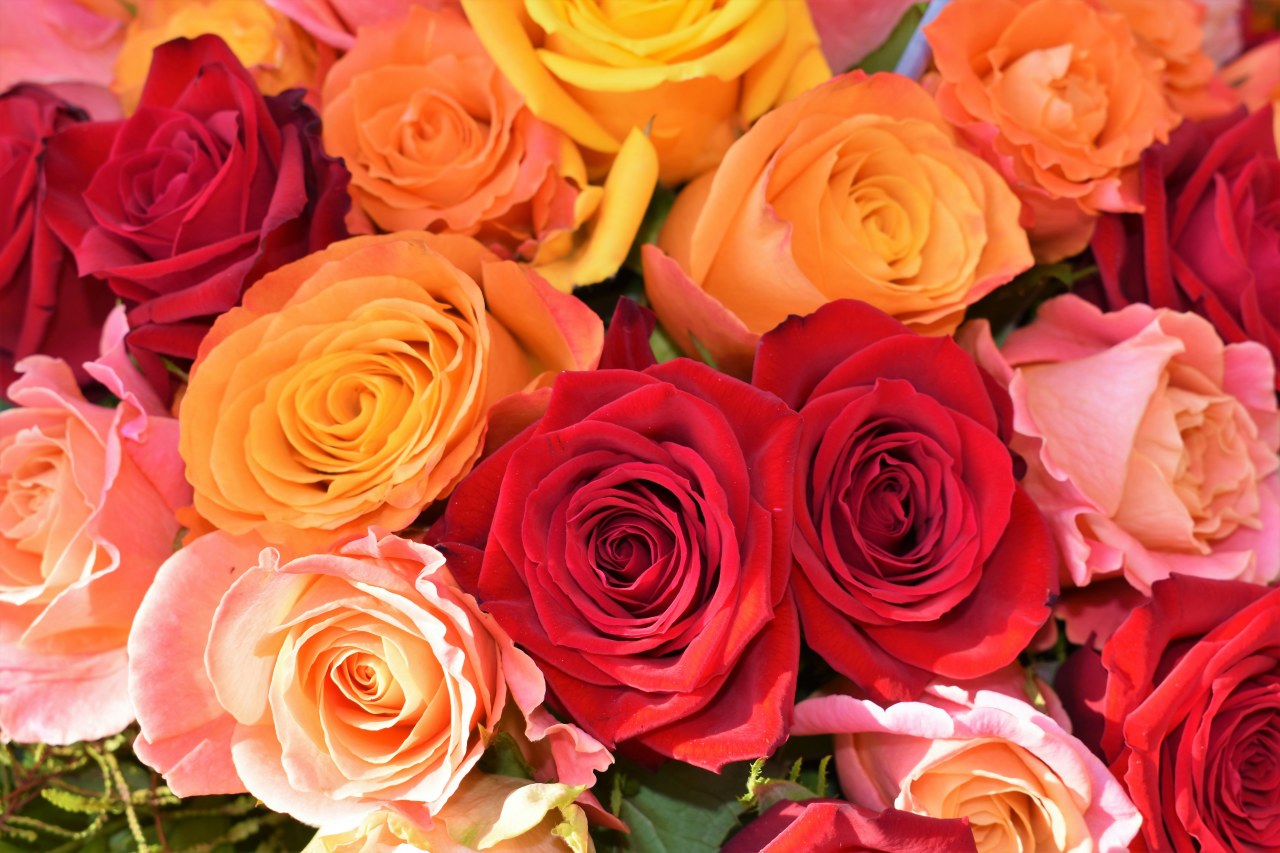
- Roses: the dependable classic
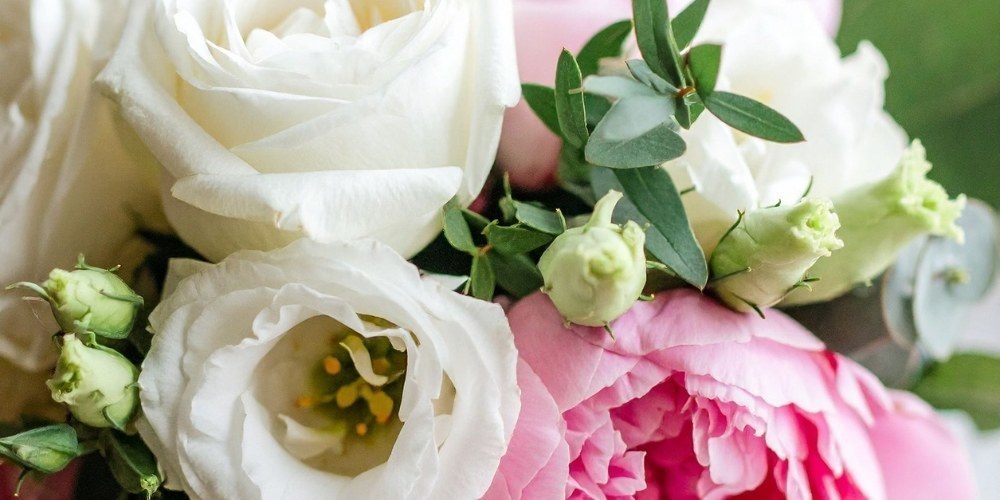
- Peonies: gorgeous, but check the calendar
- Ranunculus and anemones: spring stars
- Hydrangeas and orchids
- What Florists Know (and Most Customers Do Not)
- A Real Order, Start to Finish
- Your Same-Day Ordering Checklist
- Frequently Asked Questions
- What time do I need to order for same-day flower delivery?
- Is same-day delivery more expensive than scheduling ahead?
- Can I send same-day flowers to a hospital?
- How long will a same-day bouquet last?
Same-day flower delivery usually comes to mind at about 11:40 on a Tuesday morning, right when your phone buzzes with a calendar reminder you set months ago and promptly forgot: your sister’s birthday is today. Or you realize the anniversary dinner is tonight and “I booked the table” is not going to carry the whole evening. You open a browser, type “flowers today,” and suddenly you are staring at forty tabs, all promising the same thing at wildly different prices.
Here is the good news. Getting flowers delivered the same day is completely doable, and it does not have to cost a fortune. The catch is that “same day” means different things depending on who you order from, what time you click the button, and what week of the year it is. This guide walks through how the process really works behind the scenes, where your money goes, and how to time your order so the bouquet shows up looking like the photo instead of like it spent the afternoon in a hot trunk.
What “Same Day” Really Means for Flowers
At its simplest, same-day delivery means you place an order and a florist delivers fresh flowers to the recipient before the day ends. That sounds obvious, but the phrase hides three very different business models:
- Local florist studios that design and deliver bouquets themselves, from their own cooler, with their own drivers.
- Order-gatherers and relay networks, which take your order online and pass it to a local shop somewhere near the recipient. You never deal with the person who actually makes the bouquet.
- Shipped flower boxes, where stems are packed at a farm or warehouse and sent by parcel carrier. These are rarely same-day at all; most arrive in one to three days, often as unopened buds you arrange yourself.
All three can show up in the same search results, sometimes with nearly identical product photos. The difference only becomes clear when the box lands on the doorstep. A local studio gives you the most control over what actually arrives, which matters a lot when you are paying for flowers to say something specific.
The other piece of the definition is the cutoff. Every florist that offers same-day service sets a deadline for orders, and anything placed after it rolls to the next day. Cutoffs vary widely. Some shops stop at noon, some at 2 PM, and a few go later. That single number is the most useful thing to check before you fall in love with a bouquet.
A Short History: From Telegraph Wires to Local Studios
Sending flowers to someone in another town used to be a genuine logistical puzzle. In 1910, a group of American florists formed Florists’ Telegraph Delivery, the organization that later became FTD. The idea was clever: instead of shipping fragile flowers across the country, a florist in Chicago could wire an order to a member florist in Boston, who would make and deliver the arrangement locally. Teleflora followed in the 1930s with a similar network.
That “wire service” model ruled for most of the twentieth century. Then the internet arrived, and with it a new kind of player: the order-gatherer. These companies built big websites and advertising budgets, collected orders, and routed them to whichever local florist would accept them. The florist doing the real work typically receives only part of what the customer paid after service and transaction fees are taken out. Industry estimates of that cut vary, but florists commonly describe losing somewhere around a quarter of the order value or more before they have touched a single stem.
You can guess how that plays out. The local shop gets a $90 order with budget for a smaller bouquet, so it substitutes stems or trims the size. Not every relay order goes badly, but the structure works against you.
Over the past decade, more buyers have figured this out and started ordering directly from independent studios with their own websites. That shift is a big reason the best same-day experiences today usually come from a florist you can actually locate on a map.
How Same-Day Flower Delivery Works, Step by Step
Once you know what happens after you hit “Place Order,” the rules about cutoffs and pricing start making a lot more sense. Here is the typical flow at a local studio.
1. The order lands and gets checked against the cooler
A florist reviews the order and confirms the flowers are in stock. Most shops keep a rotating inventory of roses, hydrangeas, lisianthus, and greenery, plus seasonal stems that come and go. If you ordered something that depends on a short-season flower, like anemones or peonies outside their natural season, this is where a substitution conversation might happen. A good shop calls or texts you instead of quietly swapping.
2. The bouquet gets designed close to delivery time
This step separates a fresh bouquet from a tired one. Flowers that sit assembled for hours in a warm room lose water faster. Studios that care about freshness build each arrangement shortly before it goes out the door, which is exactly how the florists at My Peonika work: each bouquet is assembled shortly before delivery rather than made in batches that morning.
3. Packing for the ride
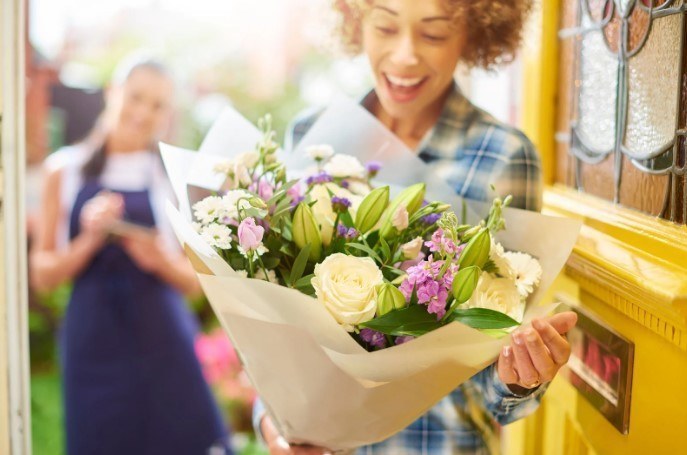
Cut flowers are thirsty. A bouquet tossed loose into a car seat in July will droop before it reaches the second stoplight. Better shops pack stems with a water source and a sturdy outer container. Bouquets from My Peonika travel in an aqua hydration pack inside a protective box, along with a packet of flower food, care instructions, and a complimentary card. The signature ribbon and kraft bag are a nice finishing touch, but the hydration pack is what keeps the petals firm through Miami traffic.
4. Routing and delivery
Drivers usually group deliveries by neighborhood, which is why many florists give a delivery window rather than an exact time. Hospitals, office towers, and gated buildings add front desks and security check-ins. Including a phone number for the recipient saves a surprising amount of grief here.
Local Studio vs. Order-Gatherer: Where Your Money Actually Goes
For anyone watching their budget, this is the part that matters most. Two bouquets listed at the same price can deliver very different value.
Picture a generic national flower site advertising a “$79.99 bouquet.” By checkout you have added a service fee, a same-day surcharge, maybe a “premium vase upgrade” that was preselected, plus tax. The total creeps past $110. Then a portion of that gets skimmed off before the order reaches a local florist, who now has to design something resembling the photo with what is left. The recipient gets a smaller arrangement than you paid for, assembled by someone who has never seen your note.
Order directly from a local studio and the price you see goes to the people who buy the stems, design the bouquet, and drive it over. If something is out of stock, the person who answers the phone is the person who will fix it.
A few signs you are dealing with an actual local florist:
- A real street address and a physical studio, not just a toll-free number.
- A named list of the neighborhoods they deliver to.
- A specific, published same-day cutoff time.
- Product photos that look consistent in style, because the same team made them.
- A freshness policy with clear terms.
My Peonika checks every one of these boxes. The studio sits at 1250 E Hallandale Beach Blvd, on the 10th floor, and delivers across the Miami area, including Brickell, Downtown, Midtown, South Beach, Miami Beach, Coconut Grove, Coral Gables, Aventura, Sunny Isles Beach, Hollywood, Pembroke Pines, and Palmetto Bay, plus Miami-area hospitals. Anyone searching for same day flower delivery miami will find the cutoff, the service area, and the freshness guarantee spelled out instead of buried in fine print.
Timing Your Order: Daily Cutoffs and the Seasonal Calendar
Getting the timing right is half the battle. There are really two clocks to watch: the hour of the day and the week of the year.
The daily clock
Most florists publish one cutoff for same-day orders. My Peonika accepts same-day orders until 5 PM and delivers seven days a week, which is noticeably later than the noon or early afternoon deadlines many shops use. When the flowers you want are already in the cooler, the studio can sometimes turn an order around with roughly an hour of notice. That is a lifesaver for genuine emergencies, but it should not be your plan A.
A practical rule of thumb: order before lunch whenever you can. Morning orders give the florist the widest choice of stems and the most flexible delivery window. An order placed at 4:45 PM will still go out, but you may have fewer options, and late-day routes are tighter.
The seasonal calendar
Demand for flowers is wildly uneven across the year, and the busy weeks change what “same day” can realistically promise. Here is a rough calendar worth saving:
- January: Quiet after the holidays. Good availability and a great time for a “just because” bouquet. Ranunculus and anemones start showing up in strength.
- Early to mid February: Valentine’s Day is the single busiest flower holiday of the year for most florists, and red rose demand spikes hard. Order several days ahead if you can. Same-day orders on February 14 are possible at many shops but come with the slimmest choice.
- March and April: Spring flowers are at their best. Anemones, ranunculus, and tulips are plentiful. Easter and graduation season start to pick up demand.
- Early May: Mother’s Day (the second Sunday in May) is the other giant peak, and it typically rivals Valentine’s Day in order volume. Book at least a few days ahead, especially for peonies.
- May and June: Natural peony season in much of the Northern Hemisphere. Prices tend to be friendliest and choice is widest.
- Summer: Steady demand, but heat is the enemy. Hydration packaging matters most during these months, particularly in South Florida.
- September and October: A calmer stretch with good availability.
- Late November through December: Thanksgiving centerpieces, holiday parties, Christmas, and New Year’s Eve stack up fast. Order early for anything you need on December 24 or 25.
The point is not that you cannot order same day during a holiday. You usually can. It is that the value per dollar drops when every florist in town is slammed, so planning a few days ahead during those peaks gets you more flowers for the same money.
What Same-Day Flower Delivery Costs
Price depends on stem count, flower type, and packaging, so it helps to see real numbers. These are prices from My Peonika’s own catalog, which gives a solid sense of what a local studio charges in Miami:
- Under $100 collection: A dedicated range of smaller bouquets for budget-friendly gestures.
- “Ethereal Dreams” (French roses and hydrangeas): $110.
- “Artist’s Choice”: You pick the budget and color palette, and the florist designs with the best stems of the day. Prices run from $116 to $365.
- “Crimson Elegance” (roses and anemones): $135.
- Bouquet of the week: $144, which is 20% off its regular $180 price.
- “Into the Garden”: $149.
- “Explorer” with 50 red roses: $255. The 100-rose version is $458.

Delivery is free on orders of $190 or more within 10 miles of the studio. Below that, a delivery charge applies at checkout, and in-store pickup is always an option if you are nearby and want to skip it entirely.
How to stretch a flower budget
A few habits will get you more bouquet for your money:
- Choose “florist’s choice” or “Artist’s Choice” options. When you let the designer pick from what is freshest that day, you get the best stems at their best value instead of paying a premium for a specific flower that might be scarce.
- Watch the weekly special. A bouquet of the week at 20% off is designed to move stock that is in peak condition. That is a good deal, not a leftover.
- Bundle to the free delivery threshold. At $190, it can make sense to add a small extra (rose petals are $45, a tea duo is $41) rather than pay a delivery fee for nothing.
- Pick in-season flowers. Peonies in May or ranunculus in early spring tend to be fuller and better priced than the same flowers flown in out of season.
- Skip the upsells you do not need. A vase is lovely, but a hand-tied bouquet in a hydration pack works perfectly if the recipient already owns one.
Which Flowers Hold Up Best for Same-Day Delivery
Some flowers are basically built for a car ride. Others need a little more babying. Knowing the difference helps you choose something that will still look great on day five.
Roses: the dependable classic
Roses are the workhorse of same-day delivery. They are available year-round, hold water well, and a quality rose bouquet typically lasts 5 to 10 days. There are more than 500 rose varieties, so “roses” can mean anything from classic long stems with 10 to 15 petals to lush garden roses packing 70 or more. Spray roses, with three to five small buds per stem, give a bouquet a fuller, gardeny look at a lower price per bloom. Browse the full rose lineup at https://mypeonika.com/collections/rose-bouquet to see how the same flower can look romantic, modern, or playful depending on color and wrap.
Peonies: gorgeous, but check the calendar
Peonies are the flower most people fall for and then struggle to find. My Peonika offers them year-round when stock allows, in sizes from Small (10 stems) up to XXL (100 stems), with options like “Forever Sarah Bernhardt” starting at $115. Outside their natural spring and early summer window, popular peony bouquets often sell out, so this is one case where ordering a day or two early pays off.
Ranunculus and anemones: spring stars
Ranunculus look delicate but last surprisingly well, often 7 to 10 days in a vase, especially when bought as slightly closed buds that open over the week. Anemones, with their dark centers, have a short spring season and tend to sell out fast. Both are wonderful choices from late winter into spring.
Hydrangeas and orchids
Hydrangeas add volume for the money but drink heavily, so they benefit most from good hydration packaging. Orchids are tough, long-lasting, and a smart choice for offices or hospital rooms where nobody will be refreshing the water every day.
What Florists Know (and Most Customers Do Not)
Spend enough time around a florist’s workbench and you pick up the small things that separate a bouquet that lasts three days from one that lasts ten. These insights all come from standard florist practice and the care guidance My Peonika includes with its orders.
Pro insight: the first hour after delivery matters most. Recut each stem about half an inch at an angle, strip any leaves that would sit below the waterline, and get the flowers into clean water with the included flower food. Leaves underwater rot quickly and feed bacteria that clog stems.
Pro insight: recut every two to three days. Stems seal up over time. A fresh cut every couple of days, along with a water change every other day, noticeably extends vase life.
Pro insight: keep flowers away from the fruit bowl. Ripening fruit gives off ethylene gas, which speeds up wilting. A bouquet placed next to bananas will age faster than one on a shelf across the room.
Pro insight: split giant arrangements. A 100-stem bouquet looks spectacular on arrival, but stems packed tightly in one vase compete for water. Dividing it into two or three vases keeps every bloom hydrated longer.
Pro insight: a guarantee only helps if you follow the care card. My Peonika backs its bouquets with a 3-Day Freshness Guarantee: if you follow the care instructions and the bouquet wilts within three days, the studio replaces it free. That condition is fair, and it is a good reason to actually read the card tucked inside the box.
A Real Order, Start to Finish
Here is a story from my own week that shows how this plays out. A friend of mine had a rough surgery and was recovering in a Miami hospital. I found out around 1 PM on a weekday, and I wanted something there by the time her family visited that evening.
My first instinct was to open one of the big national flower sites, mostly out of habit. The bouquet I liked was listed at a decent price, but by checkout it had collected a service fee, a same-day fee, and a vase I never selected. The fine print also mentioned that the arrangement “may vary” based on local availability. That phrase does a lot of heavy lifting.
So I closed the tab and ordered directly from a local studio instead. A few things made the choice easy. The 5 PM cutoff meant I was not racing a noon deadline. Hospital delivery was listed as a normal part of the service, not an exception. And I could see exactly which flowers I was paying for.
I avoided lilies and anything heavily scented, since strong fragrance and loose pollen are a bad match for shared hospital rooms, and chose a compact rose and hydrangea arrangement that would fit on a crowded bedside tray. I added her room number and her husband’s cell phone in the delivery notes. The flowers arrived late that afternoon, still crisp, with the care card and a note in my own words.
The whole thing took about ten minutes once I ordered from the right kind of shop.
Your Same-Day Ordering Checklist
Before you click “Place Order,” run through this quick list:
- Confirm the cutoff time and check it against your current clock, including the time zone if you are ordering from out of state.
- Check the delivery area. Make sure the recipient’s ZIP code or neighborhood is covered, and note any free delivery radius.
- Get the full address right. Include apartment, suite, floor, or hospital room number, plus gate codes if needed.
- Add the recipient’s phone number. Drivers use it more often than you would think.
- Think about the setting. Compact, low-fragrance arrangements for hospitals and offices; something bigger and showier for a home celebration.
- Allow for substitutions. Choosing “florist’s choice” or giving permission to swap a similar stem keeps your order on schedule.
- Check holiday timing. Within a week of Valentine’s Day, Mother’s Day, or Christmas, order earlier than you think you need to.
One final note: wedding and event work, like ceremony arches and full reception sets, is a completely different process. Those require consultations and planning time, so no studio offers them same-day.
Frequently Asked Questions
What time do I need to order for same-day flower delivery?
It depends on the florist. Many shops cut off same-day orders around noon or early afternoon. In the Miami area, My Peonika accepts same-day orders until 5 PM, seven days a week, and can sometimes deliver with about an hour’s notice if the flowers you want are already in stock.
Is same-day delivery more expensive than scheduling ahead?
Not necessarily. With a local studio, the bouquet price is usually the same for today or next week. Large national sites sometimes add a separate same-day surcharge. Holiday weeks are the main exception, because high demand can limit choices and push up prices on popular flowers like red roses.
Can I send same-day flowers to a hospital?
Yes, and it is one of the most common reasons people order same day. Include the patient’s full name, room number, and a contact phone number. Choose a compact arrangement and skip strongly scented or high-pollen flowers like lilies. Some units, such as intensive care, may not allow flowers at all, so it is worth a quick call to the hospital first.
How long will a same-day bouquet last?
With basic care, most bouquets last about a week. Roses typically hold 5 to 10 days, and ranunculus often reach 7 to 10. Recutting stems every two to three days, changing the water every other day, and keeping the vase away from heat and ripening fruit all add days to the life of your flowers.