Contents:
- How We Ranked Them: Selection Criteria
- A frequently confused pair: porcelain versus ceramic
- Textured Porcelain Tile: The All-Around Winner
- Two-Centimeter Porcelain Pavers: The Premium Pick
- Travertine: Cool Underfoot and Classic
- Natural Slate: Rugged, With Caveats
- Terracotta and Quarry Tile: Charming but Demanding
- What to Skip
- Budget Breakdown for a 300-Square-Foot Patio
- A Seasonal Timeline for Florida Patio Projects
- What the Installation Needs to Get Right
- Quick Summary
- Our Recommendation: The Best Outdoor Tile for Florida Patios
- Frequently Asked Questions
- What is the best tile for a Florida lanai or patio?
- Will outdoor tile get too hot to walk on?
- Can I use indoor tile outside?
- Does outdoor tile need to be sealed?
- How long does outdoor tile last in Florida?
Choosing the best outdoor tile for Florida patios can feel maddening, because every showroom sample looks perfect under fluorescent light and nothing on the box tells you whether it will burn bare feet in July or turn into a skating rink after the first afternoon storm. If you have been comparing glossy photos and conflicting advice for days, you are not alone. The good news is that a patio tile has a short list of jobs: stay safe when wet, stay comfortable in the sun, shrug off salt, humidity and cleaners, and survive Florida’s heavy rain and occasional hurricane. Measure each candidate against those jobs, and the choice becomes much clearer.
How We Ranked Them: Selection Criteria
The ranking below weighs five factors, in this order of importance.
- Slip resistance when wet. Look for a wet dynamic coefficient of friction (DCOF) of at least 0.42, the commonly referenced threshold under ANSI A137.1 for wet walking surfaces. For patios that touch a pool, higher is better. In Europe, tile is rated R9 to R13, and R11 or higher suits wet areas.
- Heat behavior. Color, thickness and material decide how hot the surface gets. A dark, dense tile in direct sun can exceed 140 degrees Fahrenheit.
- Water absorption. Low absorption means fewer stains, less algae and better resistance to salt. Porcelain is defined as absorbing 0.5 percent water or less.
- Durability and maintenance. Resistance to cracking, fading, chemicals and sealing requirements over a decade or more.
- Cost and installability. Material price, labor complexity and how forgiving the product is of real-world conditions.
A frequently confused pair: porcelain versus ceramic
Shoppers often treat these as the same thing, and they are not. Both are clay-based tiles fired in a kiln, but porcelain is made from finer clay and fired at higher temperatures, producing a denser, harder tile with water absorption of 0.5 percent or less. Ceramic is softer and more porous, which is fine on an interior wall but poor outdoors, where moisture, sun and temperature swings cause it to crack, stain and fade. If a label says only “ceramic” or does not state an outdoor or exterior rating, leave it at the store. In Florida, porcelain is the baseline for patio tile.
1. Textured Porcelain Tile: The All-Around Winner
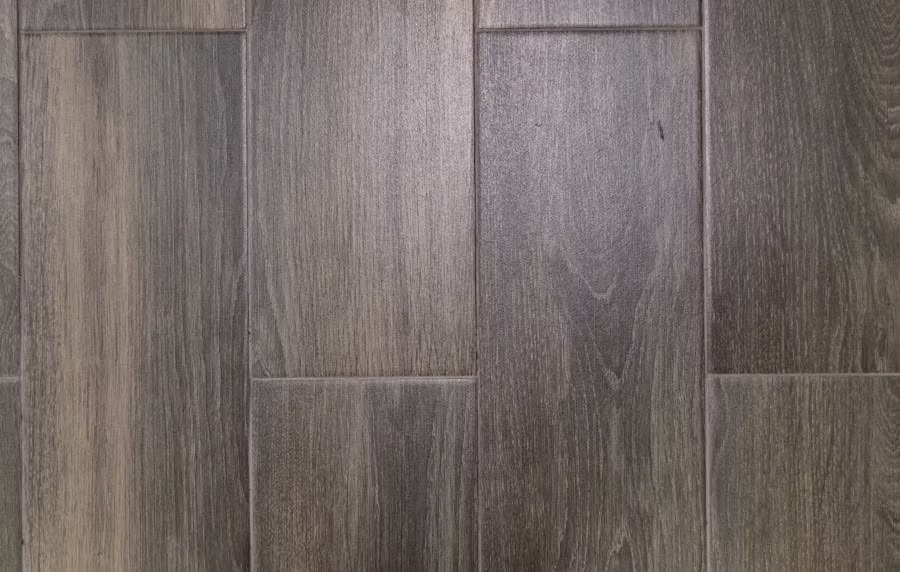
For most Florida patios, a matte, textured porcelain tile in a light to medium tone is the best balance of safety, durability and price. Modern manufacturing can print convincing wood, stone and concrete looks onto porcelain, and the finishes are designed for outdoor use.
- Slip resistance: Excellent when you choose structured or matte finishes with a DCOF well above 0.42.
- Heat: Light and mid-tone colors stay manageable. Very dark colors get hot.
- Salt and humidity: Very low absorption means salt air and moisture barely affect it.
- Maintenance: Sweep and wash. The tile itself needs no sealing, although grout does.
- Installed cost: Roughly $12 to $25 per square foot in 2026.
This is the tile Tampa Bay Floors installs most often on patios and lanais, and it is easy to see why: a professional installer can control the slope, the movement joints and the waterproofing under it, and the result stays flat and clean for decades. The firm’s installers have a habit of testing a sample in the afternoon sun at the customer’s own house before ordering, which avoids the most common regret, a beautiful tile that turns out too hot or too glossy for the spot.
2. Two-Centimeter Porcelain Pavers: The Premium Pick
Standard porcelain tile is about 8 to 10 millimeters thick and needs a continuous bond to a slab. Porcelain pavers are 20 millimeters thick, which makes them strong enough to sit on pedestals, gravel or a compacted base without a solid slab beneath.
- Slip resistance: Excellent, with outdoor-specific textures.
- Heat: Similar to standard porcelain, though thicker slabs absorb slightly more heat. Light colors are best.
- Salt and humidity: Outstanding.
- Special advantages: Pedestal systems allow water to drain beneath, let you level over uneven ground and give access to utilities.
- Installed cost: Roughly $18 to $35 per square foot.
The trade-off is cost. If your patio sits over a sound concrete slab and you want a lower price, standard porcelain tile is usually the better value. If you are building over soil, sand or a deteriorated slab, or you want a raised deck look, pavers are worth the premium. Tampa Bay Floors can price both systems against your actual site, which is the fairest way to compare.
3. Travertine: Cool Underfoot and Classic
Travertine is a natural limestone that has been popular around Florida pools for decades, and with good reason: its porous structure and pale color keep it noticeably cooler than most surfaces. It also offers a warm, Mediterranean look that suits many Florida homes.
- Slip resistance: Good when honed or tumbled and unfilled. Polished versions become slippery.
- Heat: Among the coolest options.
- Salt and humidity: Porous, so it needs sealing, and salt-water pools or heavy salt air can accelerate wear. Not all grades are equal.
- Maintenance: Reseal every two to three years, and avoid acidic cleaners.
- Installed cost: Roughly $15 to $30 per square foot.
The caveat is upkeep. Travertine is gorgeous and comfortable, but it is a natural material that needs more care than porcelain. In 2026, many Tampa Bay homeowners choose a travertine-look porcelain instead, which gives the appearance with less maintenance. Tampa Bay Floors is happy to show real travertine next to its porcelain lookalike so you can judge honestly.
4. Natural Slate: Rugged, With Caveats
Slate has natural texture that offers good traction, and its earthy colors suit gardens and rustic designs. It is durable but can flake, a problem called spalling, and its surface can be uneven, which complicates furniture placement. Darker slate absorbs significant heat in direct sun, so it suits shaded patios better than sunny ones. It also needs sealing and comes at moderate to high cost, around $14 to $28 per square foot installed.
5. Terracotta and Quarry Tile: Charming but Demanding
Terracotta evokes old Florida and Spanish colonial design. It tolerates heat well and stays relatively cool, but it is porous, can stain, can crack in a hard impact and often needs regular sealing. Quarry tile is a harder, denser cousin used commercially, with a gritty surface that grips well. Both can work for a patio, but for most homeowners, porcelain delivers a similar look with far less maintenance. Installed cost typically runs $10 to $22 per square foot.
What to Skip
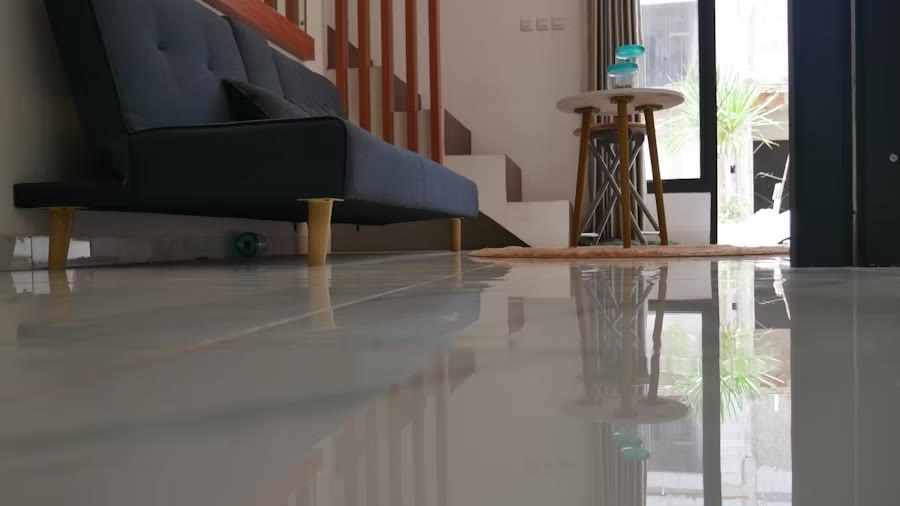
- Polished or glossy tile. Beautiful indoors, hazardous outdoors when wet.
- Standard glazed ceramic wall or floor tile without an exterior rating. It absorbs water, stains and can crack.
- Very dark tile in full sun. It gets uncomfortably hot, and you will not use the patio at midday.
- Tiny mosaics for large patios. They are expensive to install and have many grout lines to maintain.
Budget Breakdown for a 300-Square-Foot Patio
Here is a representative budget for a patio in the Tampa Bay area in 2026, installed over a sound existing slab with textured porcelain tile. Costs vary, so use them as a frame for your quotes.
| Item | Approximate cost |
|---|---|
| Textured porcelain tile at about $5 per sq ft, with 10% waste | $1,650 |
| Installation labor at about $7 per sq ft | $2,100 |
| Slab preparation, grinding and crack repair | $600 to $1,200 |
| Crack isolation or waterproofing membrane | $450 to $900 |
| Thinset, grout, sealant and movement joints | $350 to $600 |
| Trim, drain adjustments, cleanup | $300 to $600 |
| Total | $5,450 to $7,050 |
That works out to roughly $18 to $23 per square foot. Swapping porcelain for pavers or travertine raises the number, and a patio that needs a new slab adds several thousand more. Ask each contractor to itemize slab prep and waterproofing, because that is where bids differ most.
A Seasonal Timeline for Florida Patio Projects
- August to September: Start collecting samples and test them outdoors. Contractors begin booking fall projects.
- October to November: Order materials. Lead times for tile can run several weeks, longer for special orders.
- November to April: The prime installation season. Lower humidity speeds curing, storms are rare and temperatures are comfortable for working.
- May: Final window before daily summer storms. Sealing and finishing fit here.
- June to October: Rainy and hurricane season. Installation is possible in dry windows, but delays are likely, and fresh mortar and grout need protection from rain.
If you want your patio ready for winter entertaining, plan to sign a contract by early fall.
What the Installation Needs to Get Right
Even the best tile fails if installed poorly. For patios, the details that matter most are a slope of about 1/8 to 1/4 inch per foot away from the house, movement joints placed at the perimeter and roughly every 8 to 12 feet, a polymer-modified thinset suited to exterior use, full mortar coverage under each tile and a crack isolation or waterproofing layer over existing slabs. If you want to see how a professional treats that waterproofing layer, you can learn how they do it before choosing a contractor.
Quick Summary
| Rank | Tile | Best for | Watch out for |
|---|---|---|---|
| 1 | Textured porcelain | Most patios, lanais, pool surrounds | Dark colors in full sun |
| 2 | 2 cm porcelain pavers | Raised decks, uneven bases, premium projects | Higher cost |
| 3 | Travertine | Cool, classic look around pools | Sealing and salt exposure |
| 4 | Slate | Shaded, rustic patios | Heat and flaking |
| 5 | Terracotta or quarry | Old Florida character | Porosity and staining |
Our Recommendation: The Best Outdoor Tile for Florida Patios
For most homeowners, start with a light to mid-tone, matte porcelain tile rated for exterior use with a wet DCOF comfortably above 0.42. Step up to 2 cm pavers if your base needs them or you want a raised look, and choose travertine if you love natural stone and will keep up with sealing. Whatever you pick, the installer matters as much as the material. Search for local outdoor tile installers near me who ask about slope, drainage and slab condition before they talk about price.
One option that deserves a look is Tampa Bay Floors, a crew that installs outdoor tile in the same sun, salt and storms your patio will face. They work through the unglamorous details first, from slab preparation to movement joints to waterproofing, and they will tell you plainly if a tile you love is wrong for your space. You can find them at https://tampabayfloors.us/, and a short conversation will tell you whether they suit your project.
Frequently Asked Questions
What is the best tile for a Florida lanai or patio?
Textured porcelain tile in a light to medium color is the best all-around choice. It resists slipping, stains, salt air and moisture, and it is available in styles that mimic wood, stone and concrete.
Will outdoor tile get too hot to walk on?
Dark tile in direct sun can get very hot. Lighter colors, textured surfaces and shaded areas keep temperatures lower. Test samples in your own sun before buying, and consider a natural stone like travertine for the coolest feel.
Can I use indoor tile outside?
Generally no. Indoor tile may be too slick when wet, too porous for outdoor moisture and unable to handle temperature swings. Choose tile labeled for exterior use with a stated wet slip resistance rating.
Does outdoor tile need to be sealed?
Porcelain does not need sealing, though cement-based grout usually does. Natural stone like travertine, slate and terracotta typically needs sealing every few years.
How long does outdoor tile last in Florida?
Quality porcelain installed correctly can last 25 years or more. Longevity depends on slab condition, movement joints, drainage and maintenance.